
"We're not empty buckets that need to be filled, but a fire that needs to ignited." Credits to Plutarch
About Us
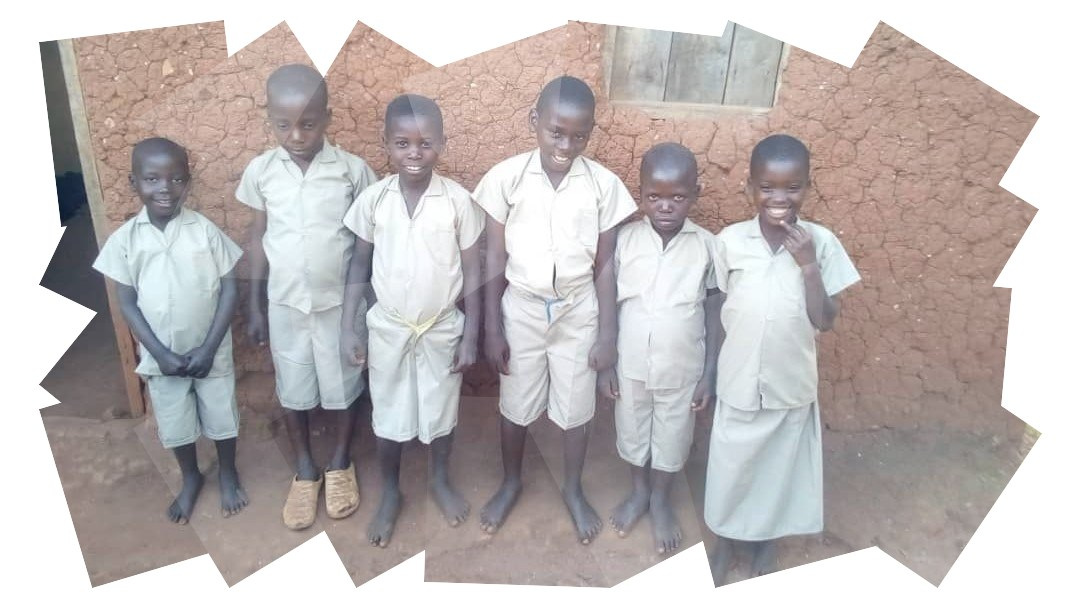
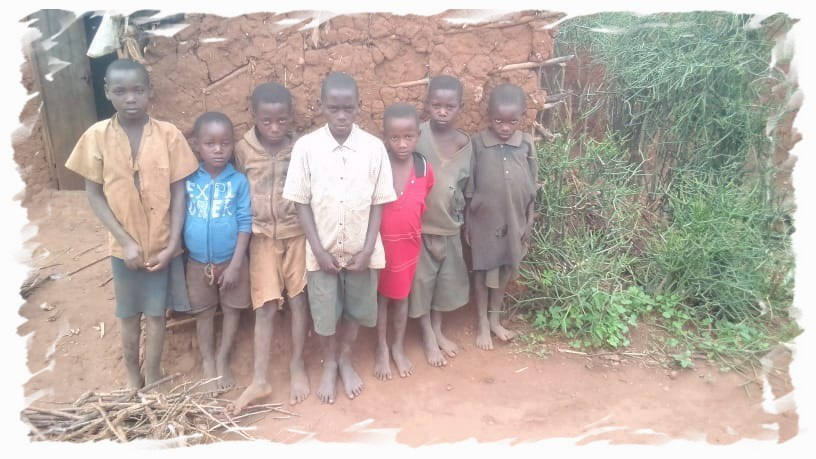
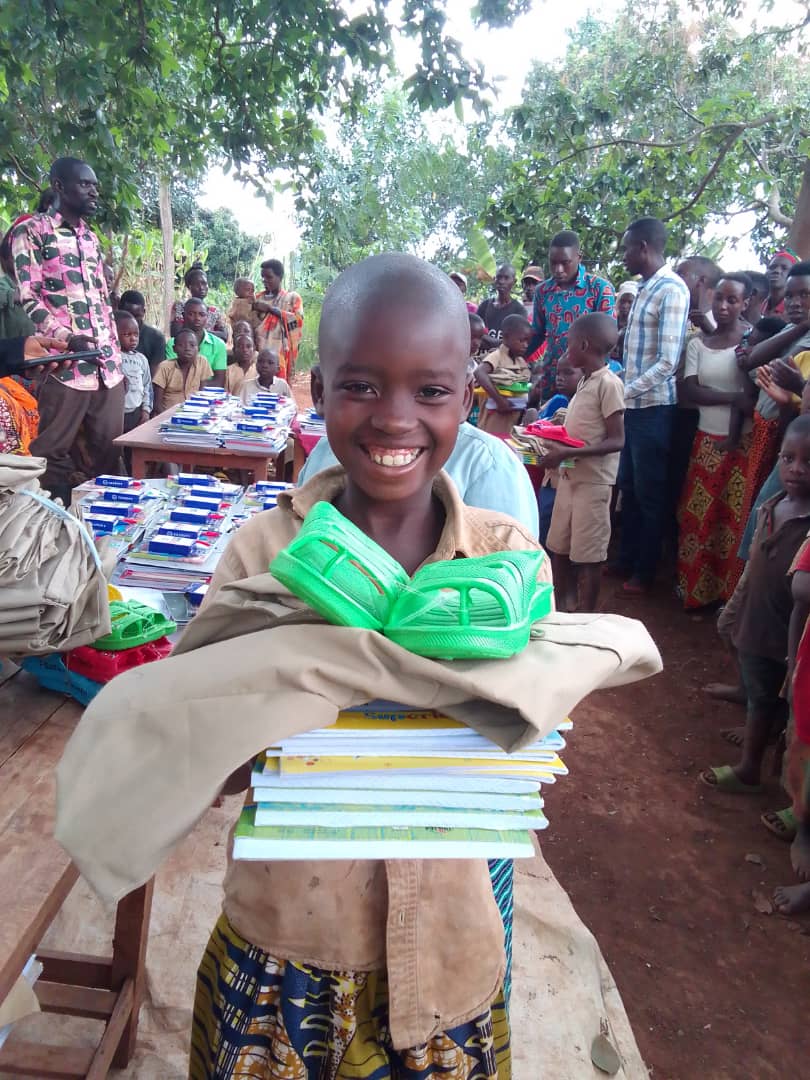
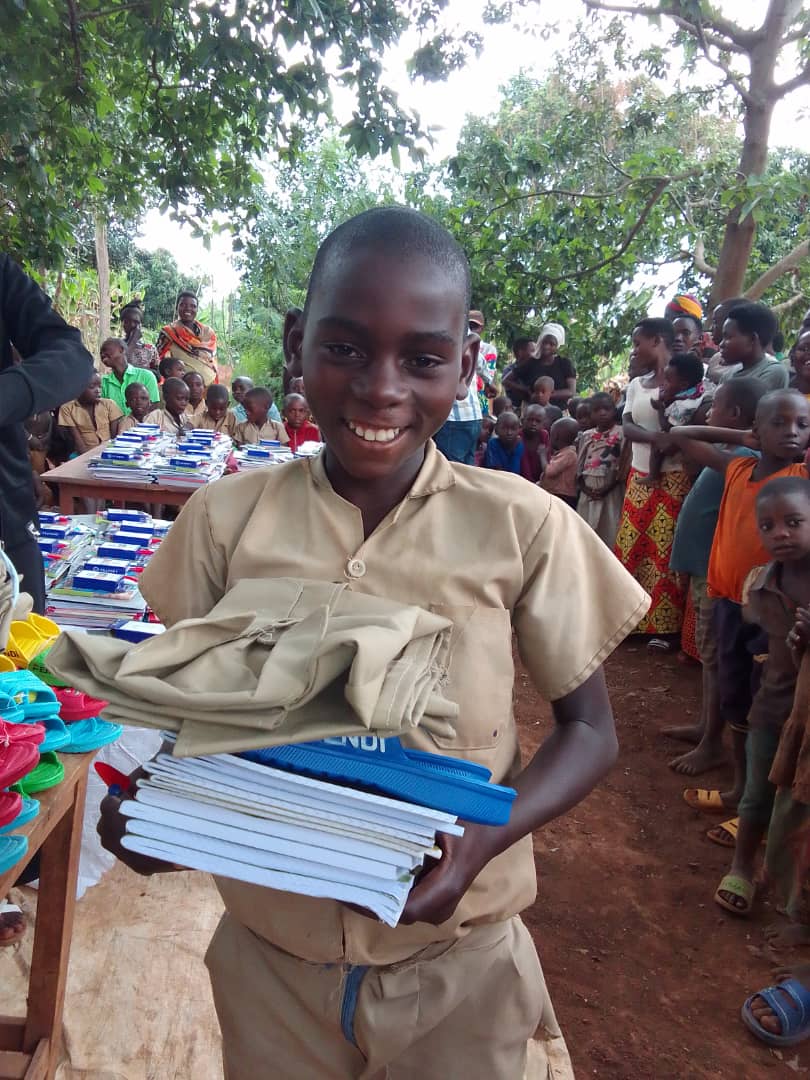
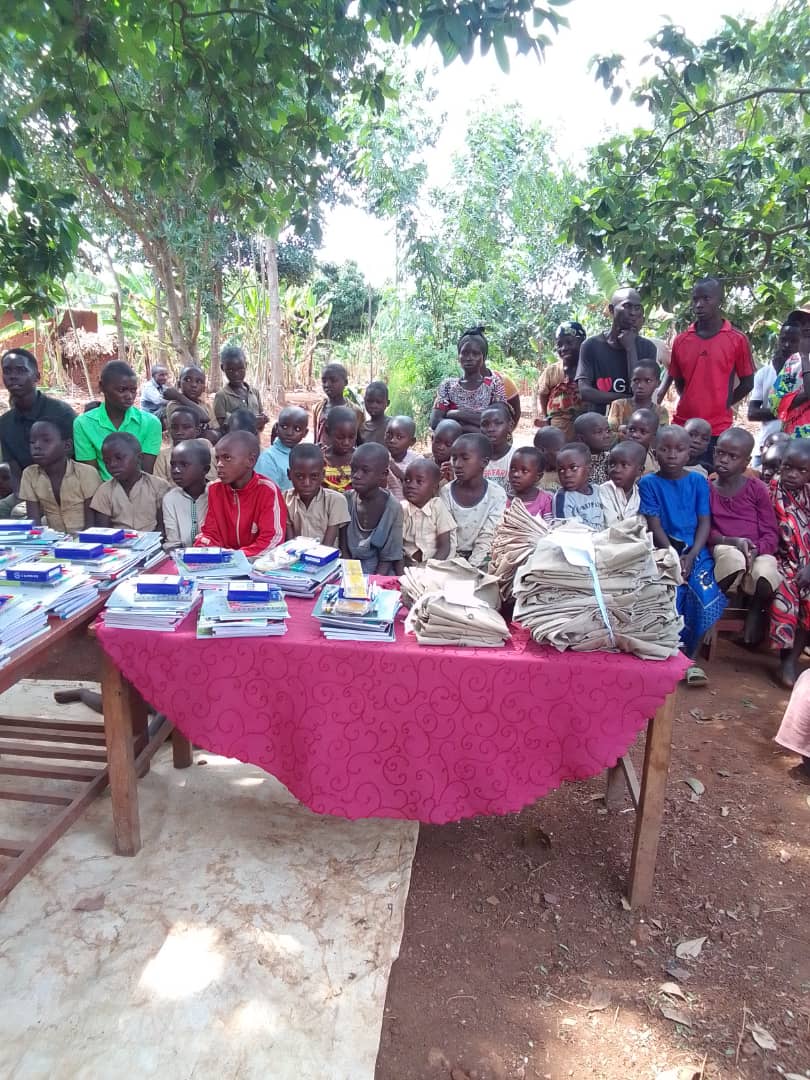
Welcome to “Nawe Niwige” meaning “Learn too” or “Even you can study” is a non-profit association founded by three young indigenous Batwa who got a chance to study at different universities in the neighboring country of Rwanda through scholarships. By using a part of their stipends, they thought of supporting their younger siblings who struggle to access education due to a lack of school materials and fees back in their home country of Burundi. The program began by supporting six children, of which the majority were young indigenous Batwa communities, and others from less privileged and marginalized people. Now the team expanded to 41 children
What we do
Nawe Niwige is working to create a more inclusive and equitable society by addressing the educational needs of marginalized and impoverished young indigenous people in Burundi, especially Batwa indigenous kids. Through community-based initiatives, we aim to encourage and support indigenous children to enroll in schools and educate them about their legal entitlement from basic to higher education.
Our Mission
Promote access to quality education for marginalized & indigenous youth in Burundi by providing school materials and fees, and working with local authorities to ensure every indigenous child has access to basic education.
Our Vision
Empower young indigenous people by fostering self-awareness, promoting their rights, and enriching their leadership skills through easy access to higher education, creating a generation of skilled leaders for a brighter future.
Our Objective
We aim to reduce indigenous illiteracy by 15% by 2035 by providing educational opportunities that promote human rights, gender equality, access to education, means of subsistence, healthcare and cultural heritage.
Raising Indigenous Self-Awareness
Our goal is to raise awareness among the indigenous population about their rights, history, and cultural significance. We aim to provide them with training that encourages personal responsibility and promotes self-growth and development for a better future.
Providing Educational Support
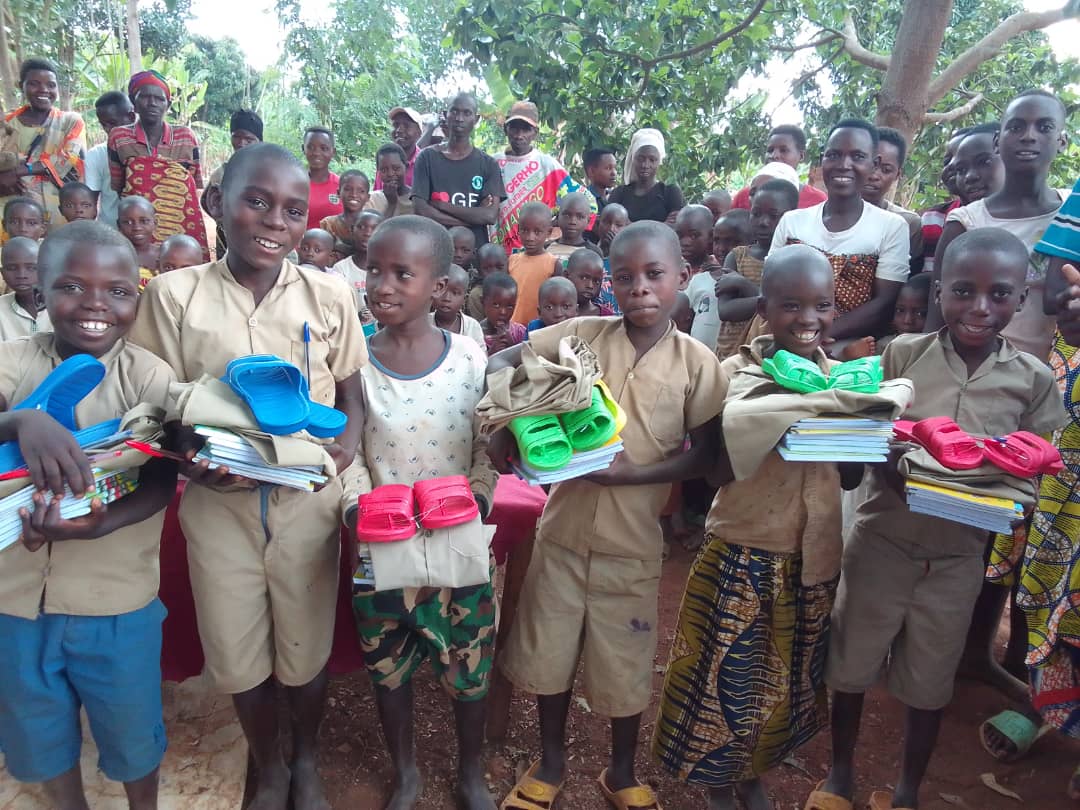
Encouraging, providing, and distributing the necessary school materials and fees, educational guidance, counseling, and follow-up services to indigenous students in Kirundo Province, both beginners and school dropouts, to advance their education.
Promoting Indigenous Social Inclusion
Capacity building of indigenous communities in Burundi for social integration, with the goal of creating a respectful space where they can learn, harmonize, and interact with the wider community on an equal basis within the context of Burundian culture.
Why choose us?
We don't stand for fame, but to represent the talented, marginalized and less privileged youth especially in indigenous community whose voice haven't heard, and whose potentials haven't been put on use.
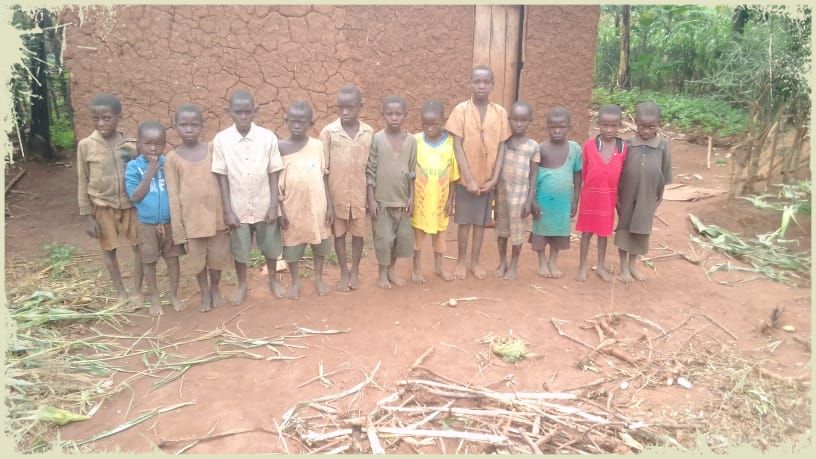
Every successful civilization is formed from a foundation based on education. Education has a crucial role in changing our world, from providing people with the knowledge and skills they need to succeed and develop the leaders of tomorrow.
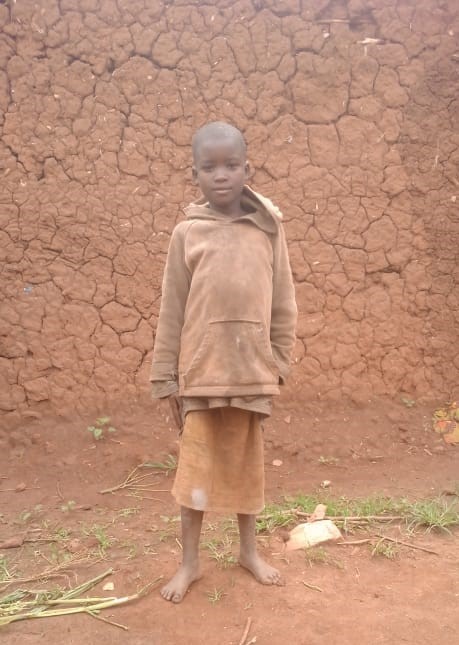
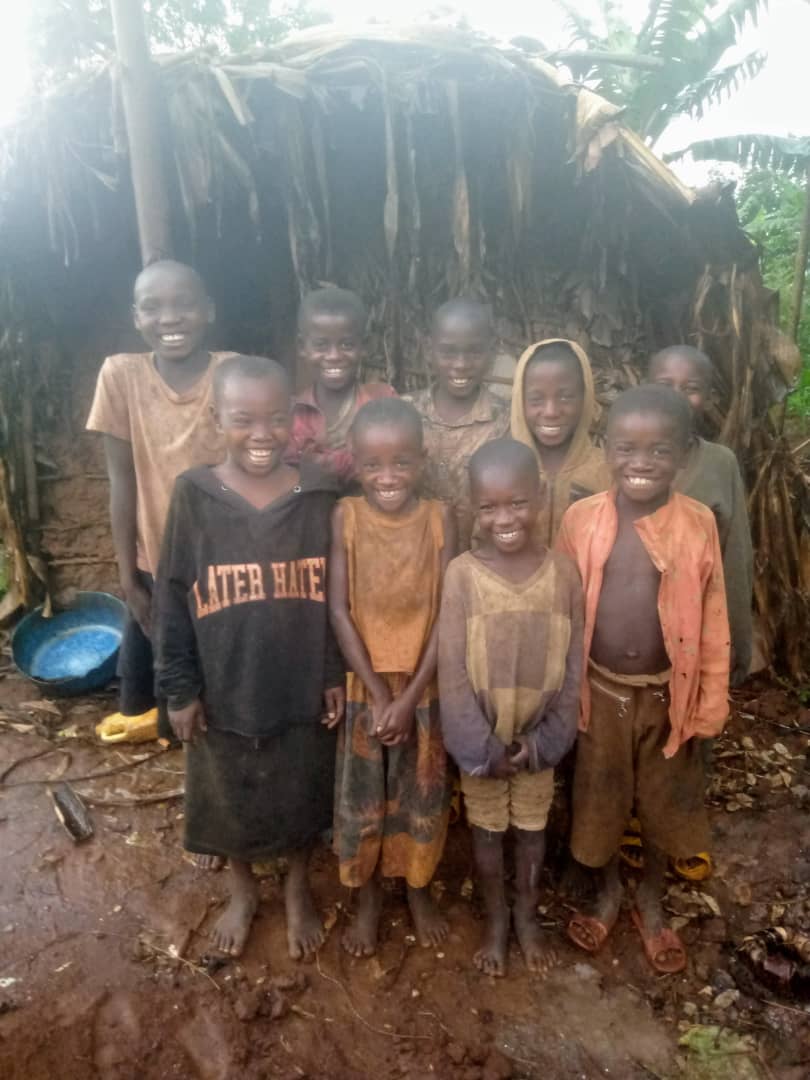
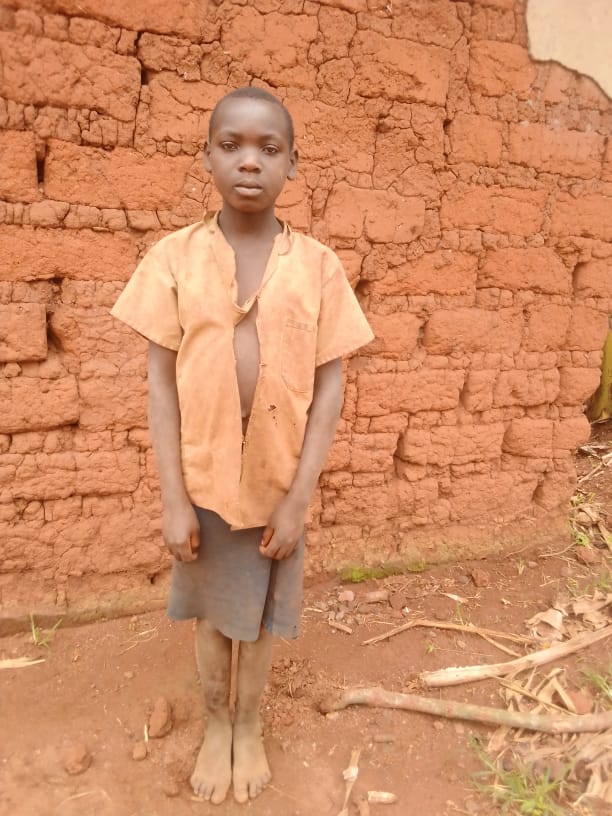
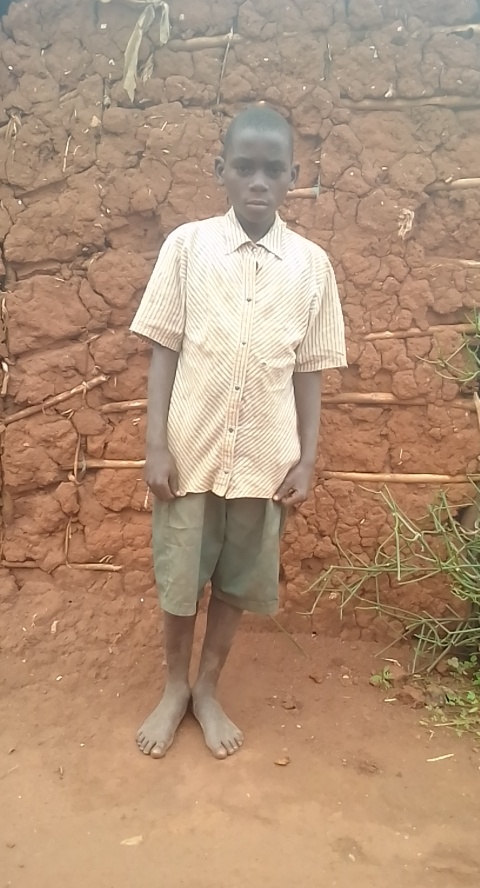
Unfortunately, the Batwa indigenous people in Burundi face terrible circumstances as they are internally displaced and lack access to land for farming, which has forced them to rely primarily on traditional pottery making. This skill passed down from their elders is no longer sufficient to support their livelihoods, leaving them without access to basic social services like education, political participation, and healthcare.
To address this critical situation, Nawe Niwige seeks to raise awareness among the younger generation of the Batwa community, both male and female, by enhancing their education. The co-founders of the organization, from different universities, have personally witnessed the miserable situation of the Batwa people and refuse to stand idly by. They use their stipends to provide hope and encouragement to their younger brothers and sisters in Burundi, demonstrating their commitment to uplifting their community and nation. The organization recognizes the importance of individuals who are willing, able, and capable of helping to boost its mission. By working together and providing support, Nawe Niwige hopes to create a brighter future for the Batwa community and raise awareness of their struggles in the wider world.
Girls
Boys
All supported kids
Targeted Kids
Call To Action
Working together, we can improve the lives of indigenous children and enable them to realize their full potential. So please join us in our effort to support Burundian indigenous children receiving a basic education! You can get involved by: making a donation, Sharing our mission and vision with your friends and family, and encouraging them to get involved too.


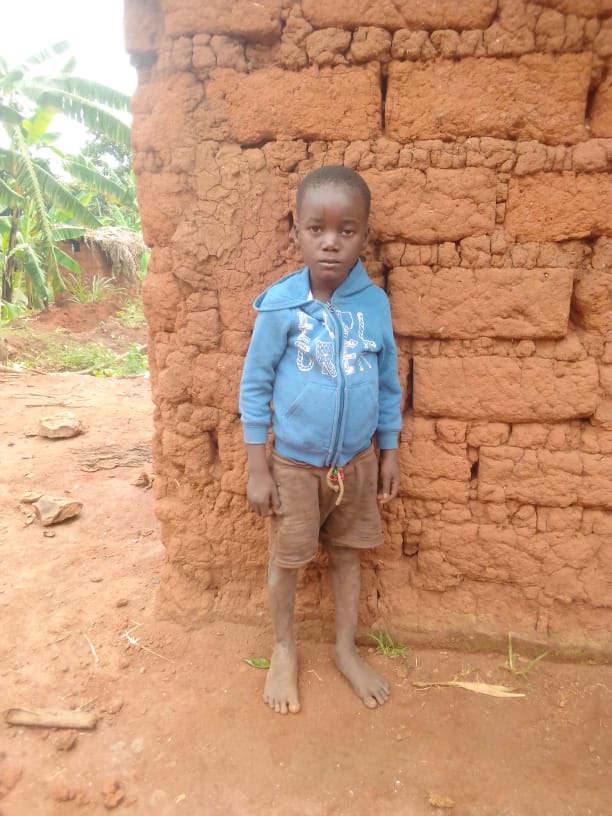
What makes us who we are
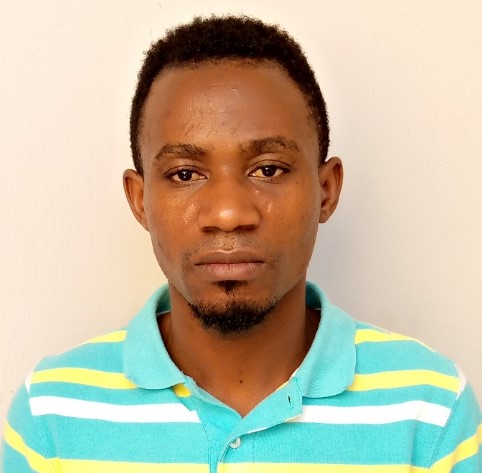
Jean Bosco M.
Co-Founder & President
Young African global challenger, passionate and willing to improve the lives of underprivileged people by defending and promoting human rights through community empowerment and educational enforcement.
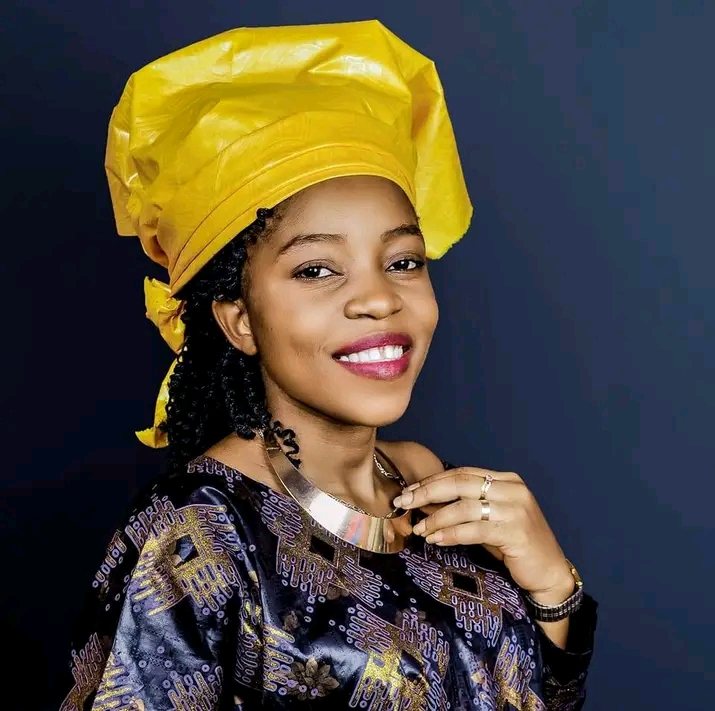
Mariam Mimmy
Finance Officer
Empathy and kindness of each one is a key for inclusiveness to indigenous people who are marginalized, regardless of their willingness and capabilities.
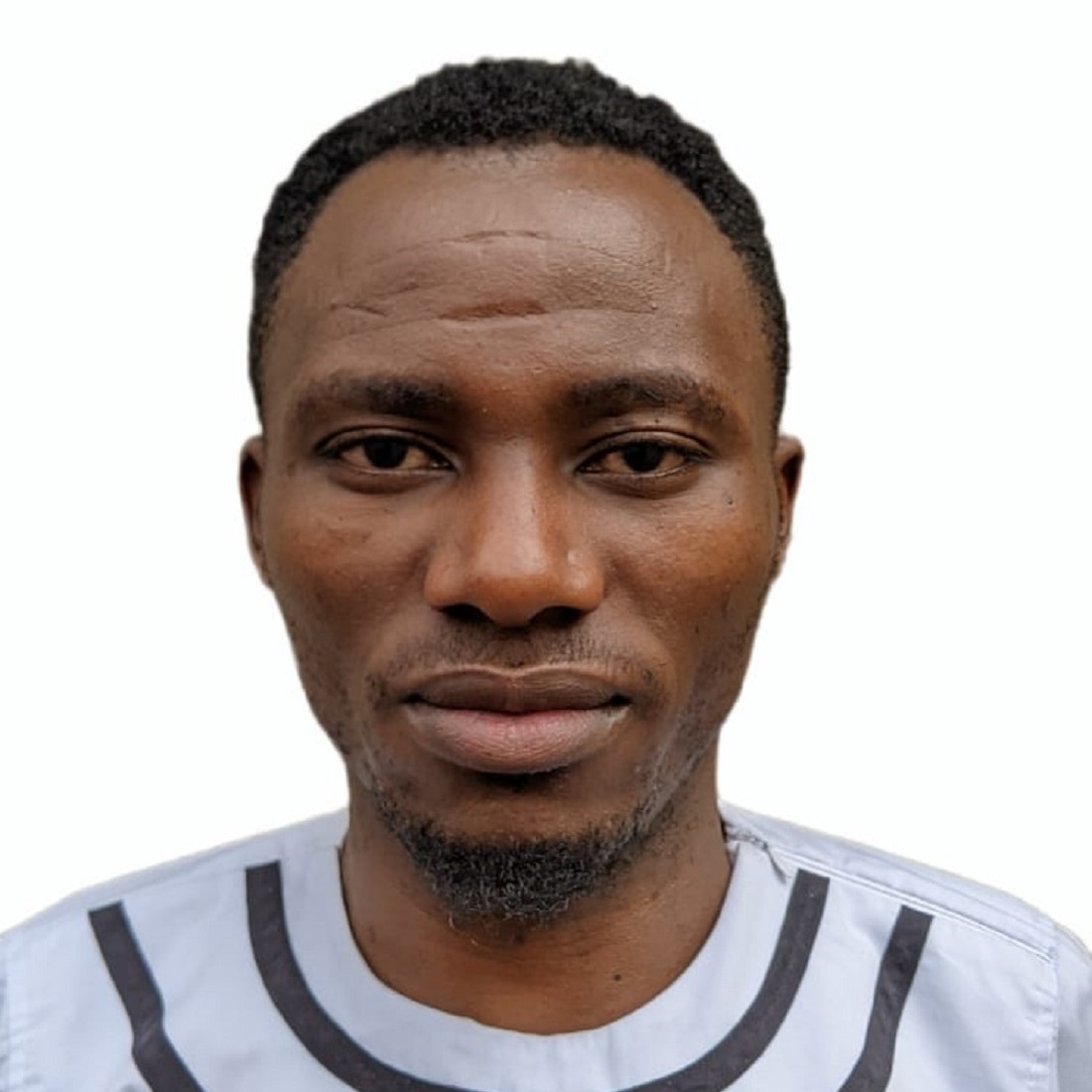
Moise Muhawenimana
Co-Founder & Finance Officer
I remain ready and will work with determination to protect the indigenous communities and listen to their voices, make their priorities my priorities, protect them, and help them rebuild their lives.
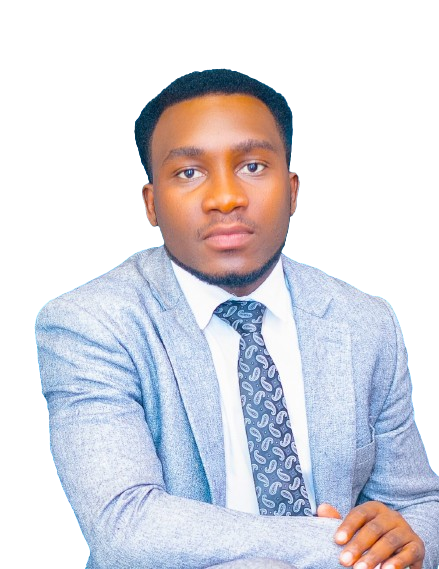
Yves Nicky Lirf
Co-Founder & General Secretary
Leading with love is my motto. I am inspired and passionate about serving and changing my community regardless of my social or economic status. The most important aspects of my success are negotiation, relationships, honesty, commitment, and integrity.
Team
We present an interwoven collection of initiatives emphasizing social inclusion, education support, and promoting indigenous self-awareness.
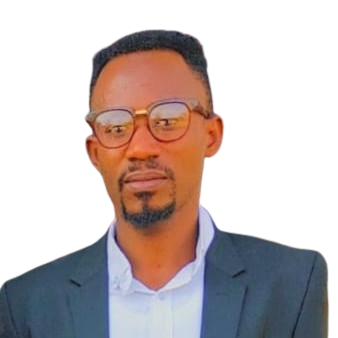
Jean Bosco Mazuru
Co-Founder & President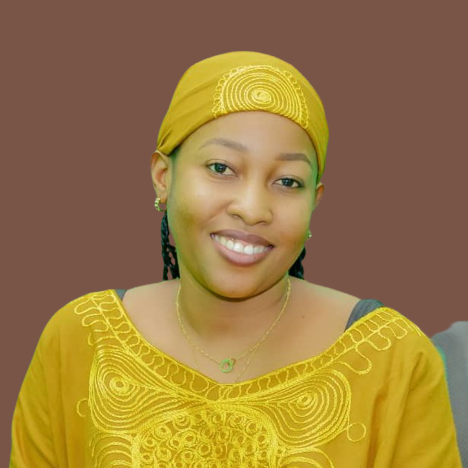
Marie Croella Itangishaka
Vice President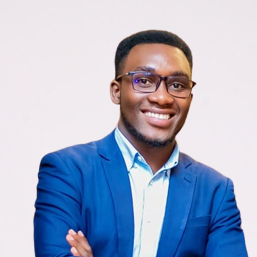
Yves Nicky Lirf
Co-Founder & General Secretary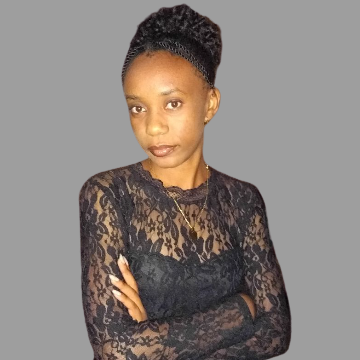
Laurette Nizigiyimana
Assistant Secretary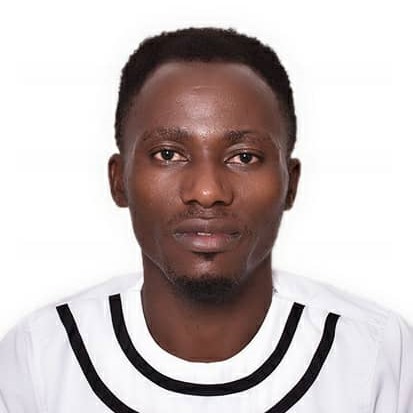
Moise Muhawenimana
Co-Founder & Finance Officer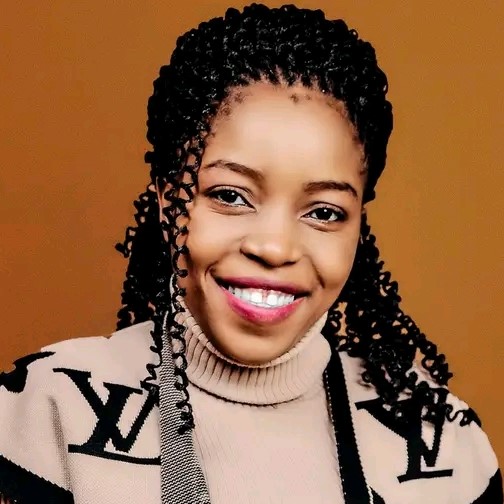
Mariam Iranyishuye
Assistant Finance Officer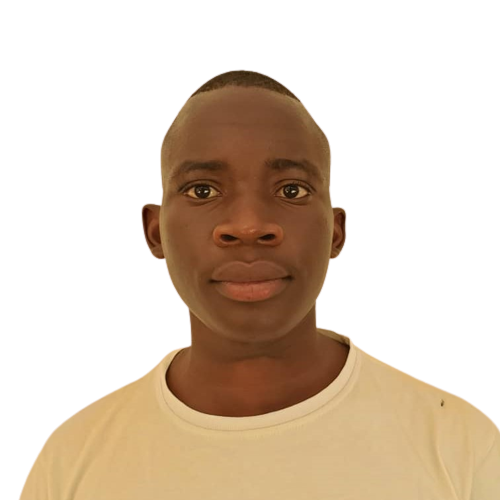
Anaclet Ahishakiye
Communication Officer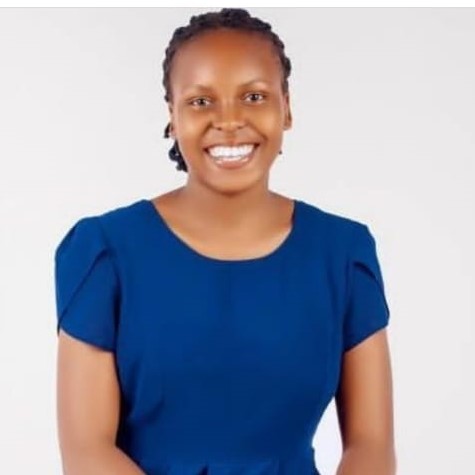
Ricky Tricia Uwera
Communication Officer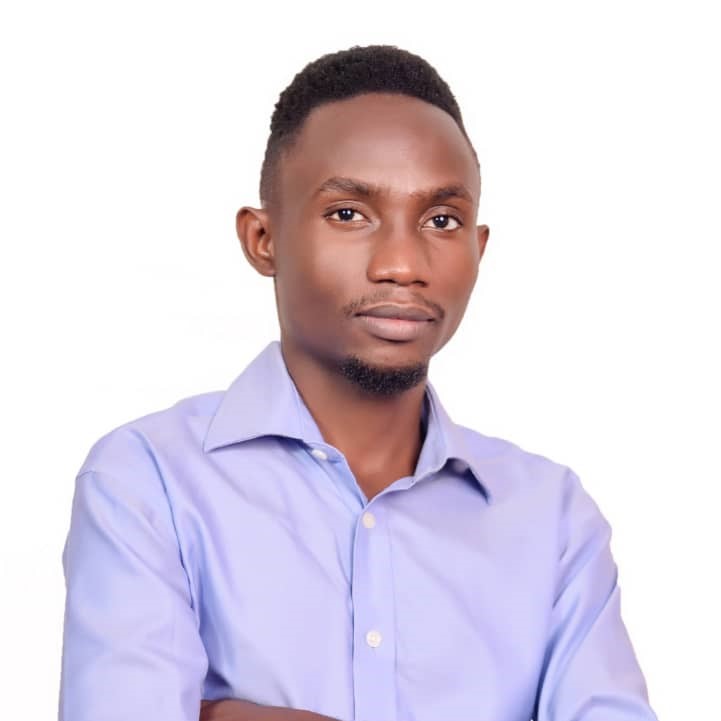
Berthrand Biyaya
Projects Coordinator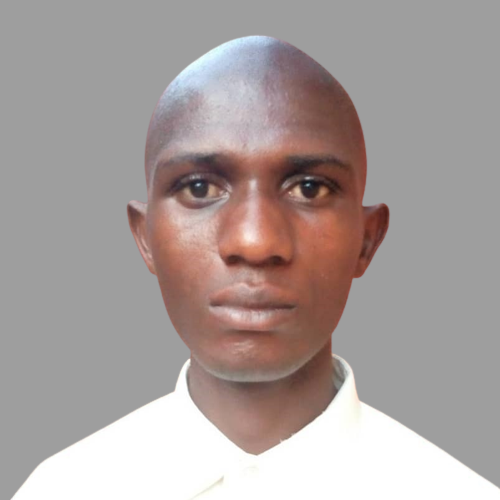
J. Bosco Mbonyimugenzi
Field Coordinator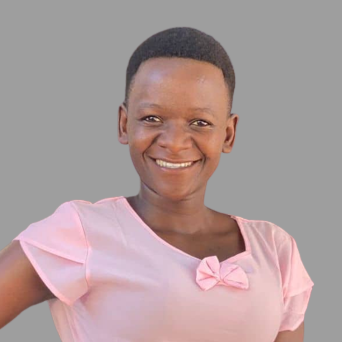
Neilla Mutoniwimana
AdvisorOur Partners
Donate
We invite you to support our work on a consistent basis by becoming a monthly sustaining donor. This enables us to make plans and we appreciate your taking this into consideration.
$55/Year/child
Primary Student
- School Uniforms
- School Materials
- School shoes
- Other necessities
$96.5/Year/child
Secondary Student
- School Uniforms
- School Materials
- School shoes
- Other necessities
$110/Trimester
To support our work
- Transport costs
- Volunteer encouragement
- Organizational work
- Precautionary Expenses
Frequently Asked Questions
The section is here to help you get answers to most pressing questions that you might have been craving to know. Click the Plus Sign to explore more.
-
Who are Burundian Indigenous?
Burundian Indigenous is socially made up of Batwa people, a very small minority, and spread throughout the country. They are estimated at 1% of the population of Burundi, marginalized and sometimes discriminated against by the rest of society.
The Batwa feel a need for social and economic support in view of their challenging living condition that is highly triggered by a lack of cultivable land while 90% of the Burundian population lives in agriculture.
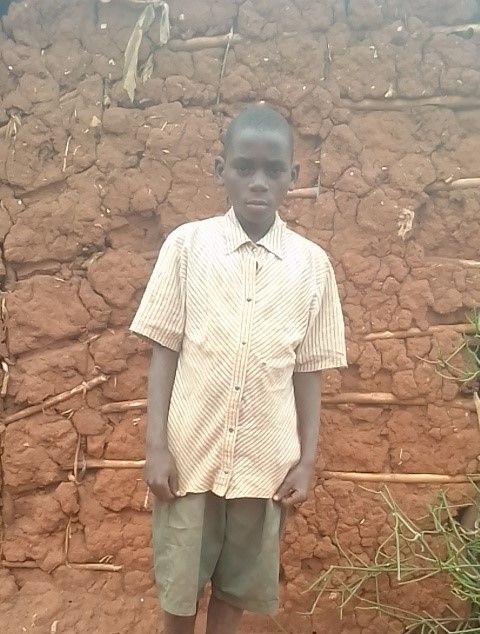
However, they also lack livestock, and decent housing, suffer from malnutrition and lack the financial means to send their children to school. The consequences of which manifest themselves in all aspects of their social life where they are often forced to live in seclusion on forests' outskirts or valleys. -
What is the social situation of the Indigenous (Batwa) community in Burundi?
Historically, the Batwa community engaged in trades such as pottery making, forging, or mat weaving to earn a living. However, these professions are no longer profitable. Despite this, most Batwa still practice such survival activities like pottery, forging, handling planks and beams, local fishing and quarry rubble, and selling firewood which allow them to have a little income that can’t even cover their basic needs. Their main activity remains the work of clay.
Be that as it may, this situation of extreme poverty is the basis of their vulnerability where the discrimination against the Batwa is evident in social gatherings such as weddings, where they are sometimes not allowed to eat or drink with other ethnic groups. This exacerbates their isolation and contributes to their poor living conditions. -
What is the economic situation of the Indigenous Batwa community in Burundi?
The Batwa people of Burundi are among the most marginalized and economically vulnerable groups in the country. Their economic struggles are compounded by the discrimination and prejudice they face from other groups in society, which further limits their opportunities for economic advancement. Eventually, they have historically relied on forest resources for their livelihoods, but with the means of conservation and land-use changes, their access to these resources has been severely restricted.
As a result, the Batwa often live in extreme poverty, struggling to provide for themselves and their families. Despite the efforts of the Burundian government and other organizations to improve their economic situation, the Batwa continue to face significant challenges in accessing education, healthcare, and other basic services.
-
Do the Indigenous Batwa people of Burundi have the right to engage in politics?
Despite having the legal right to participate in politics, the Batwa people in Burundi often face significant obstacles to doing so. Many lack the education and resources needed to engage effectively in political processes, and face discrimination and marginalization from other groups in society. According to the National Constitution, there are 60 % for Hutus, 40 % for Tutsis, and 0% for Batwa in the parliament and administration, and 50% for Hutus, 50% for Tutsis, and 0% for Batwa in the police and military. While efforts have been made to increase their participation through cooptation, such as quotas for marginalized groups in Parliament, implementation has been slow and limited.
Additionally, the Batwa's traditional nomadic lifestyle and cultural practices have made it difficult for them to establish a strong political presence in the country. As a result, the Batwa's voices and perspectives are often left out of important political decisions that affect their lives and communities. This lack of representation and participation in politics further marginalizes the Batwa community and perpetuates the cycle of poverty and exclusion they experience. -
What is the educational situation of the Indigenous Batwa community in Burundi?
According to the Universal Declaration of Human Rights, education is a fundamental human right and an essential tool for empowering individuals and communities to reach their full potential. However, for the Batwa people in Burundi, accessing education remains a significant challenge. Many Batwa children are unable to attend school due to poverty, discrimination, and cultural barriers. Additionally, the lack of land for cultivation to provide food for their families results in severe poverty and hunger, making it challenging for Batwa families to prioritize their children's education.
As a result, many children drop out after completing only one or two years of primary school. The Batwa community relies on pottery and farm labor for minimal pay and food, making it difficult to achieve a decent standard of living which most of the time prevents them from sending children to school. This lack of education perpetuates the cycle of poverty and marginalization experienced by the Batwa community as a result of not having decent employment. -
Why should the Batwa indigenous be a concern for us?
The Batwa indigenous people, also known as "the people of the forest", have been marginalized and discriminated against for centuries, and their voices have often been ignored. They have faced a long history of land dispossession, forced relocation, and discrimination, which has resulted in poverty, social exclusion, and loss of cultural identity.
Meanwhile, there are between 370 and 500 million Indigenous Peoples globally in over 90 international locations. Even though they make up just five percent of the global population, they account for approximately 15 percent of the intensity. Indigenous Peoples' life expectancy is up to 20 years lower than the existence expectancy of non-indigenous people globally. In Burundi, they make up only 1% of the total population.
As we strive for a fair and just society, it is our responsibility to support and advocate for the Batwa people, who have been deprived of their basic human rights for far too long. By supporting them, we can help to ensure that their voices are heard, their land rights are respected, and their cultural heritage is preserved for future generations. Let us stand in solidarity with the Batwa people and work towards a world where all people are treated with dignity and respect.