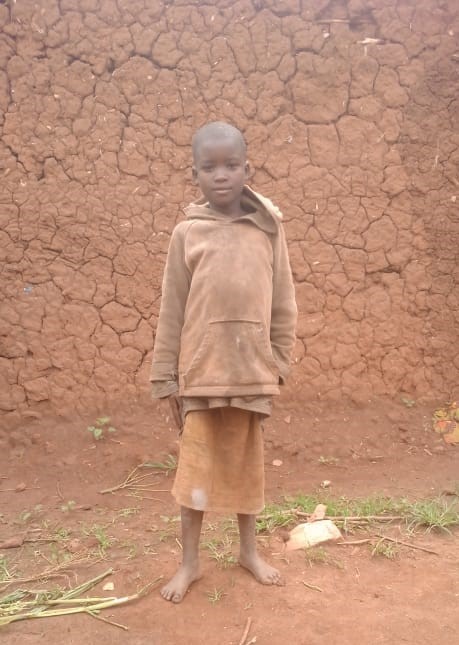
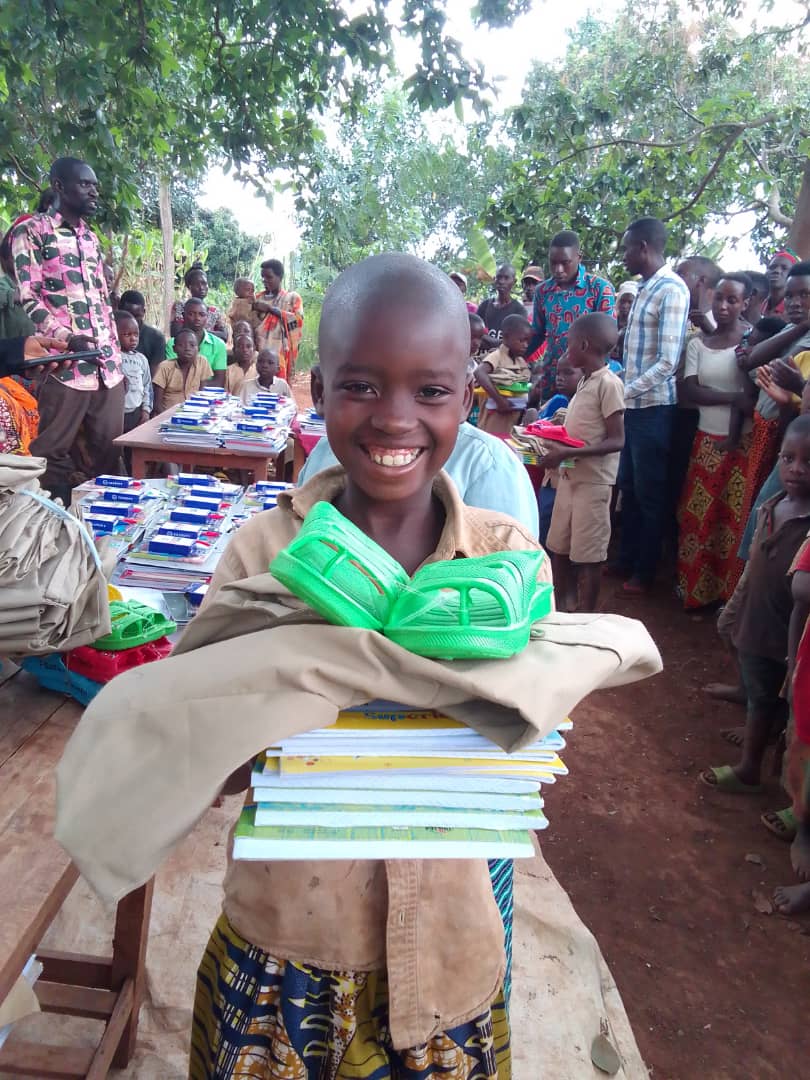
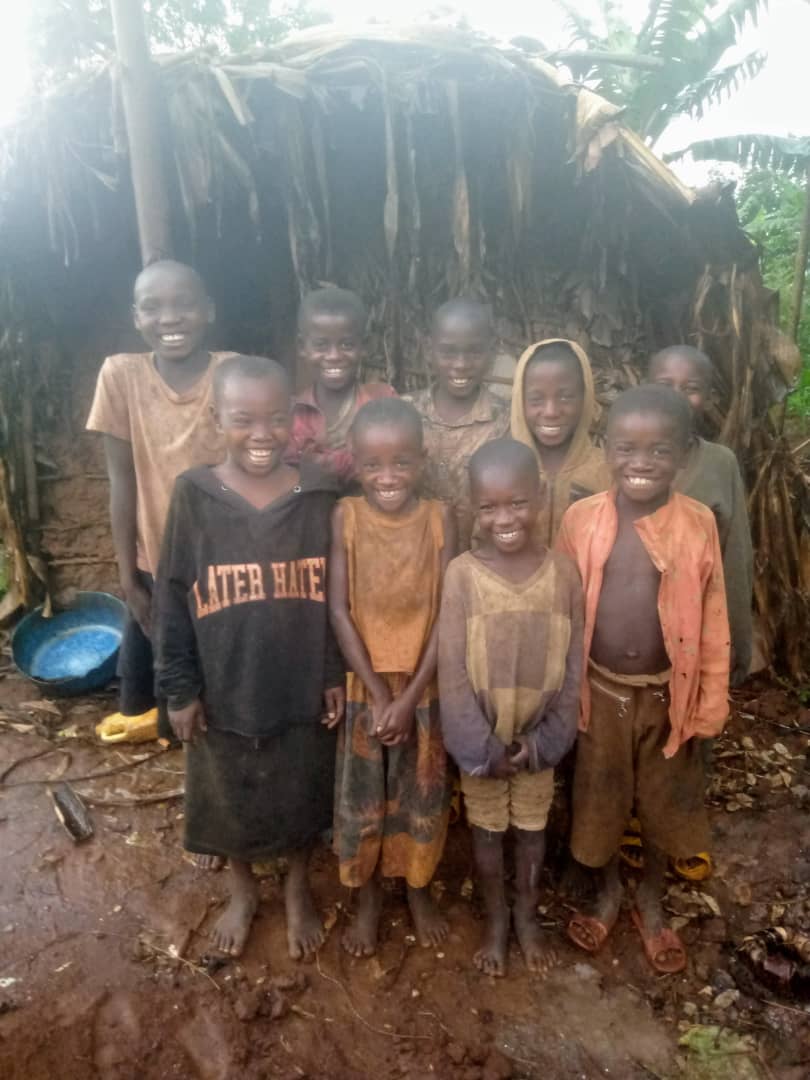
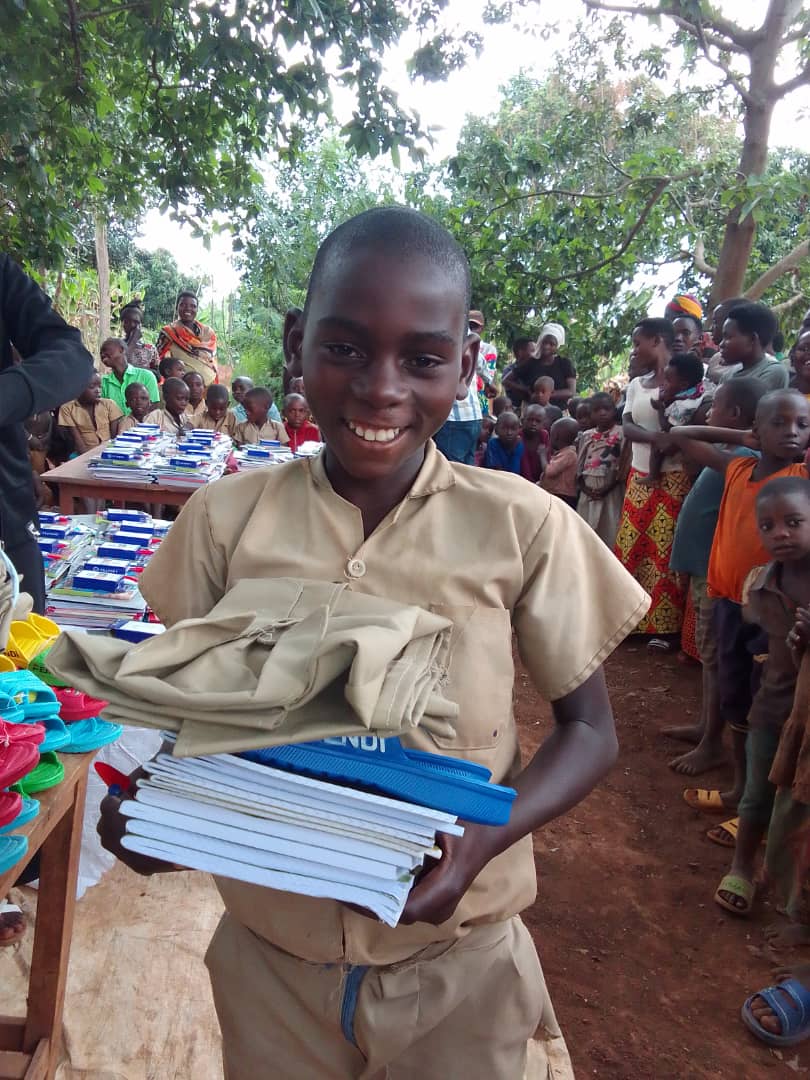
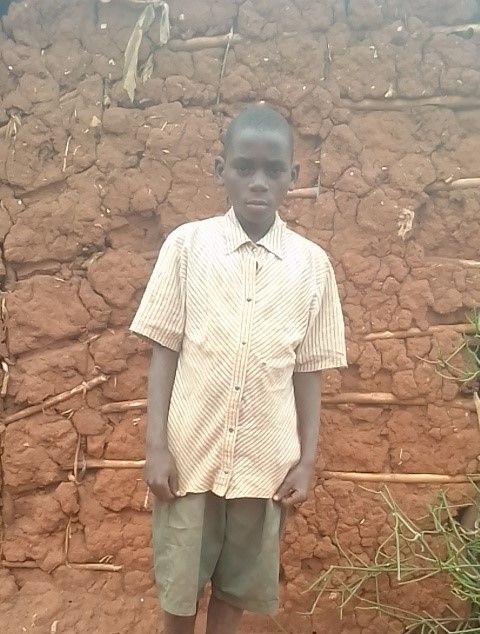
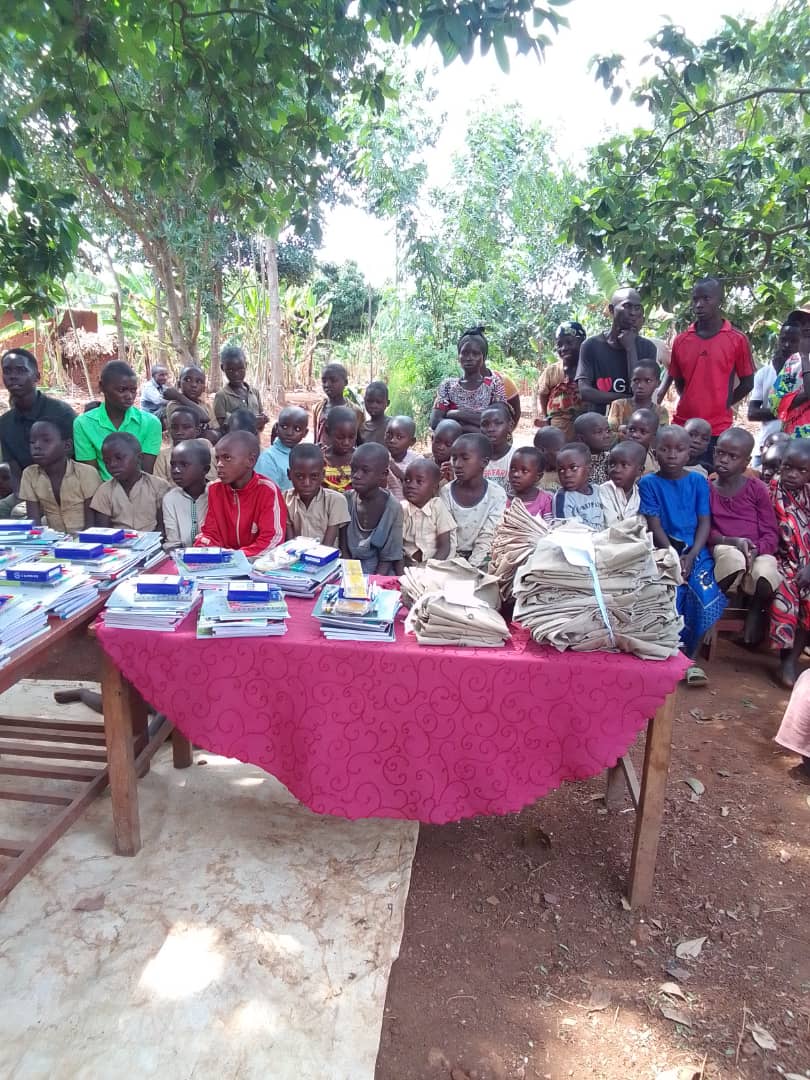
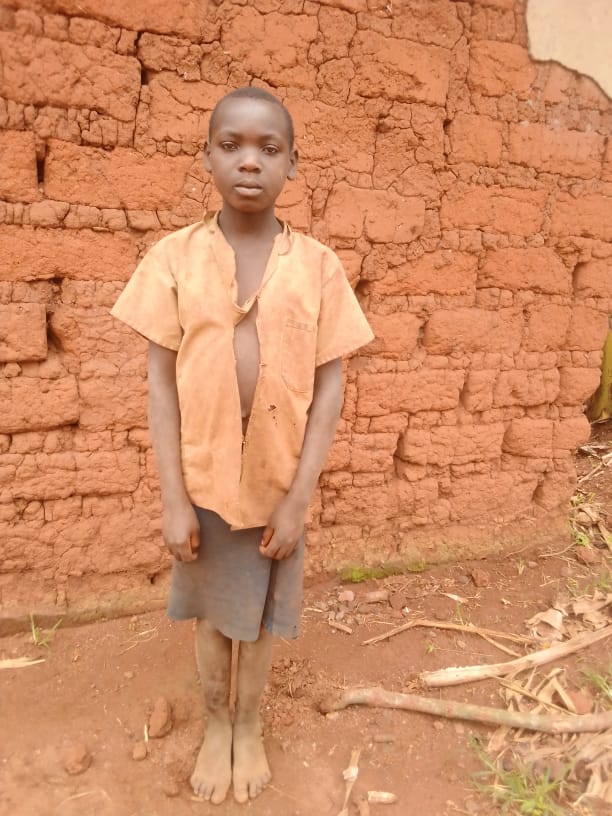
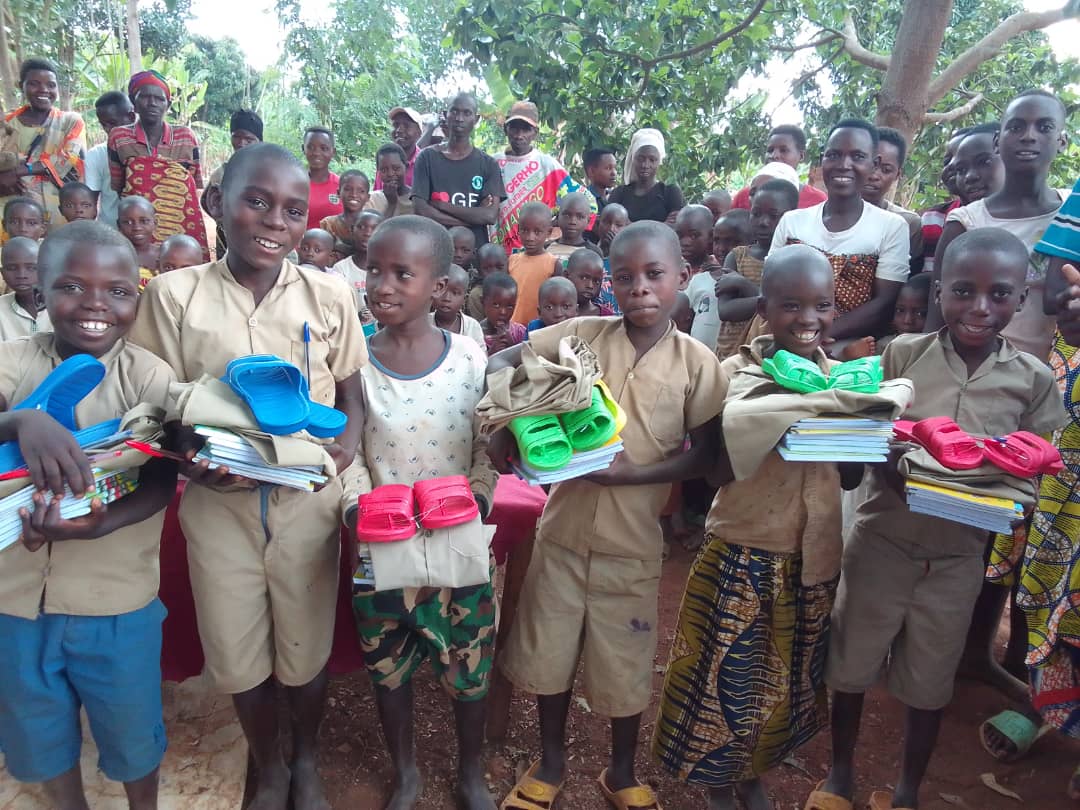
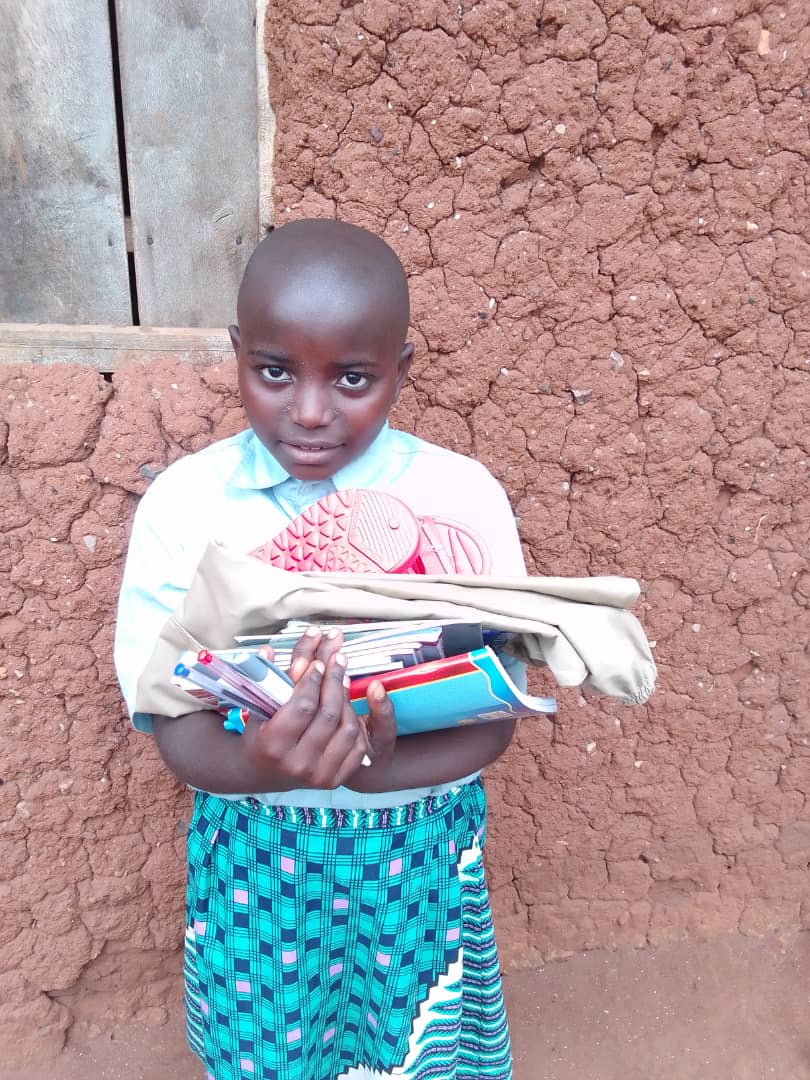
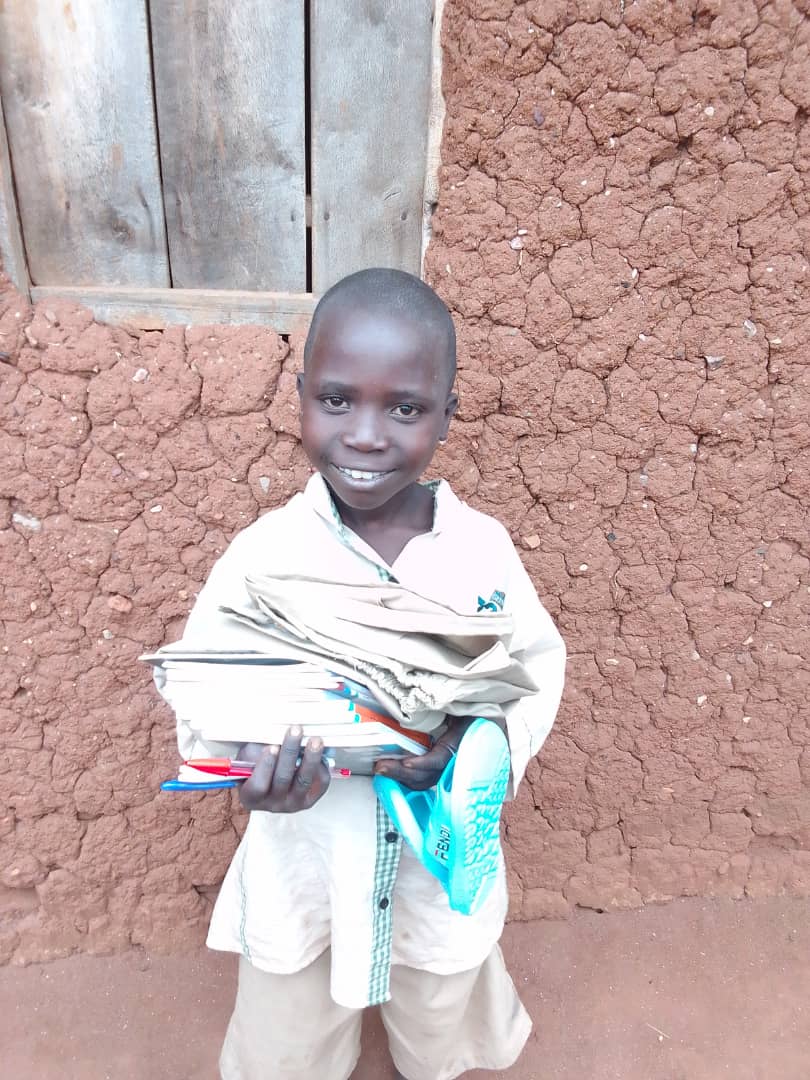
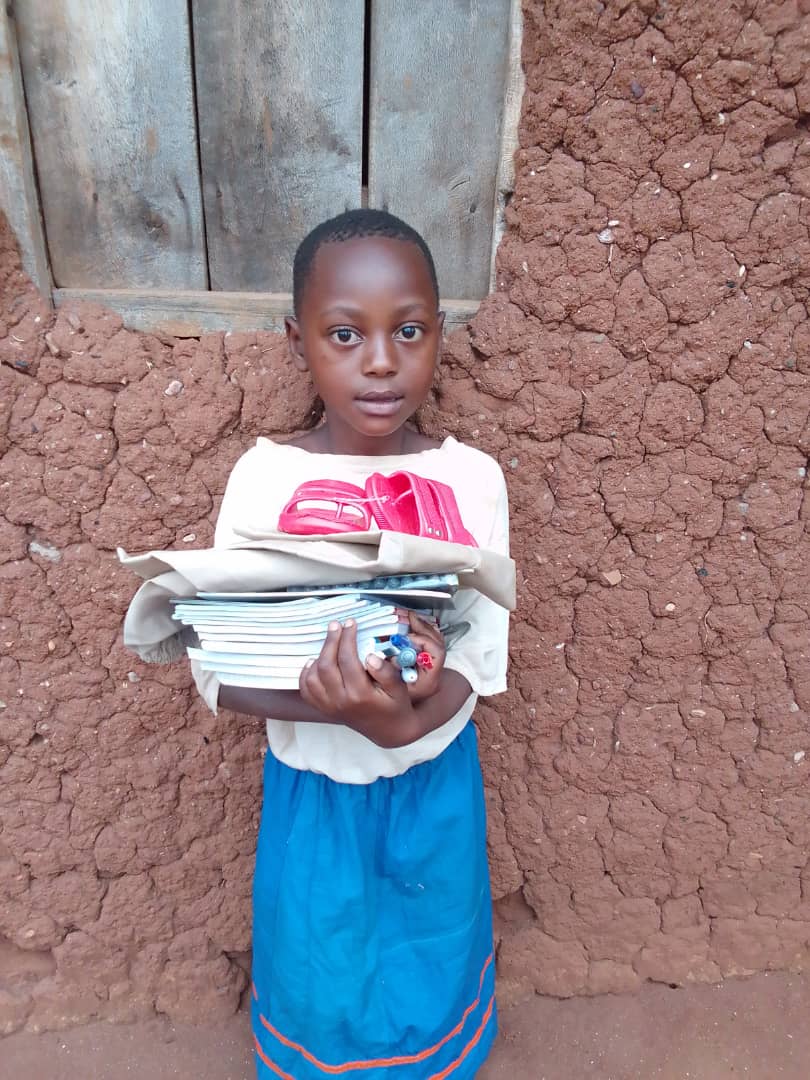
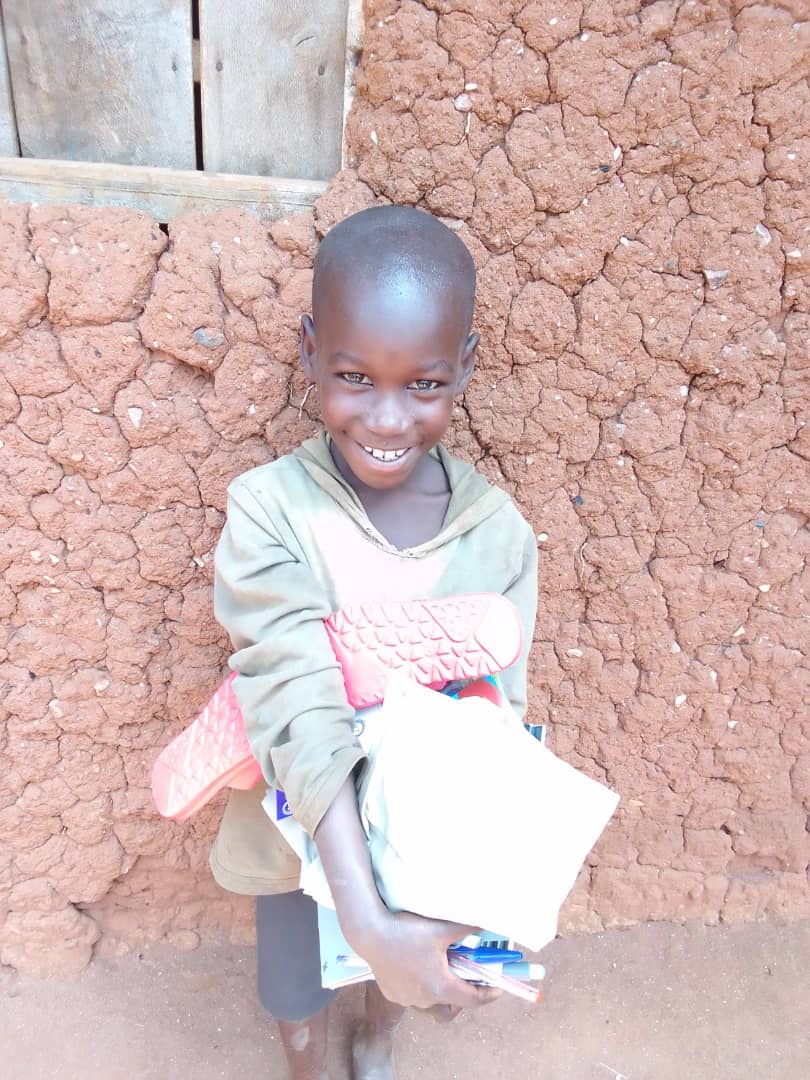
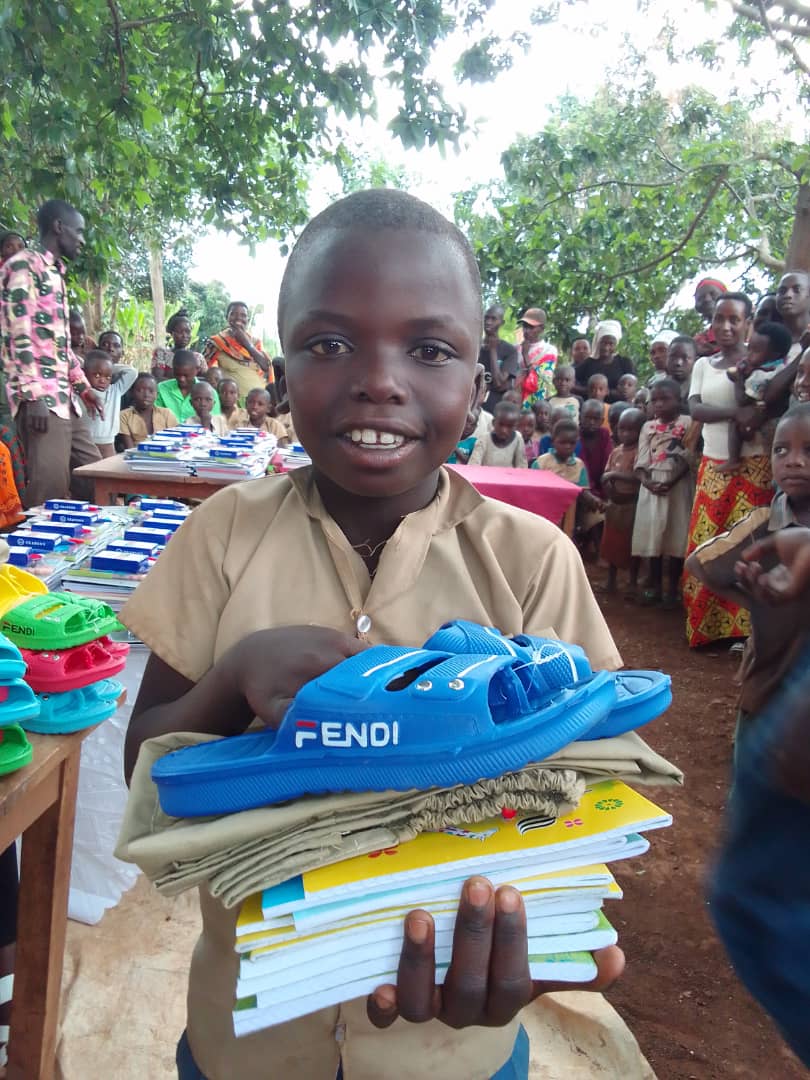
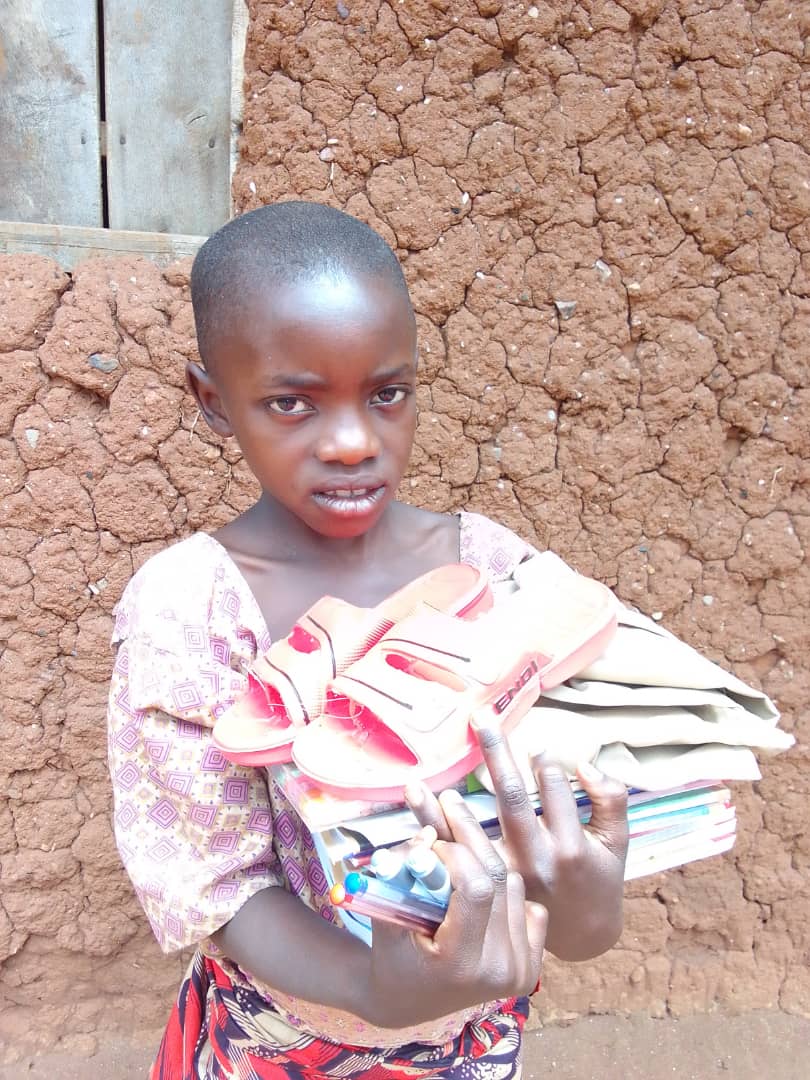
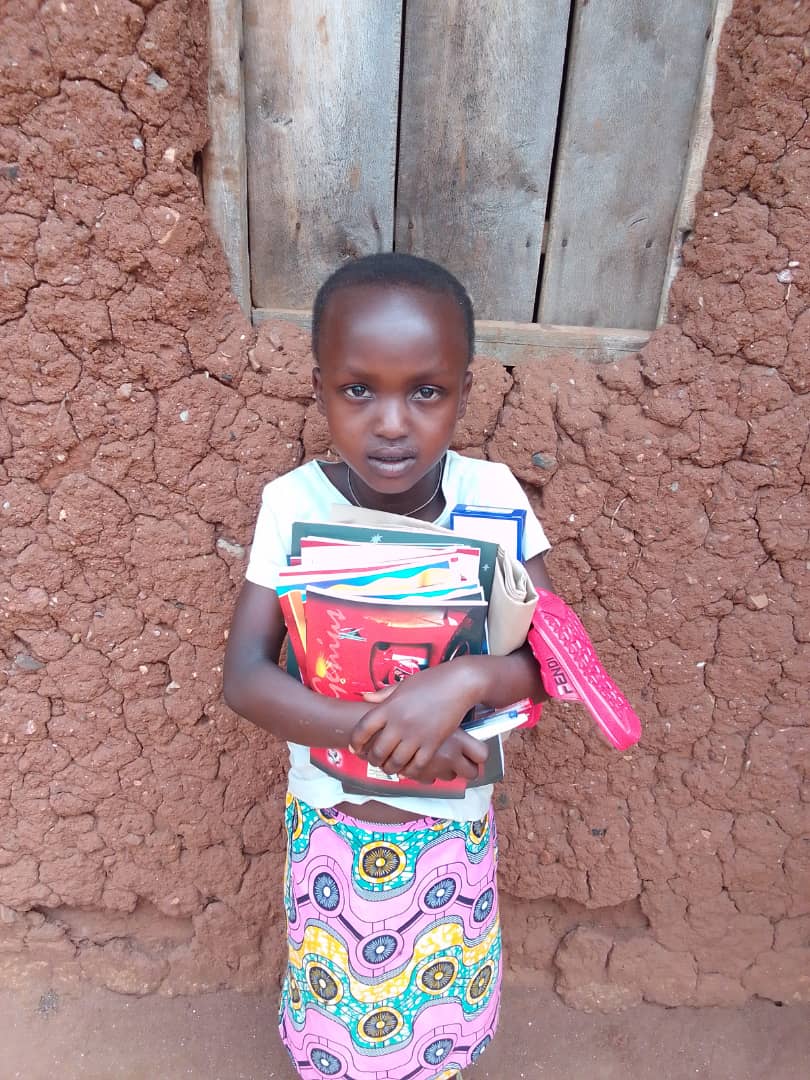
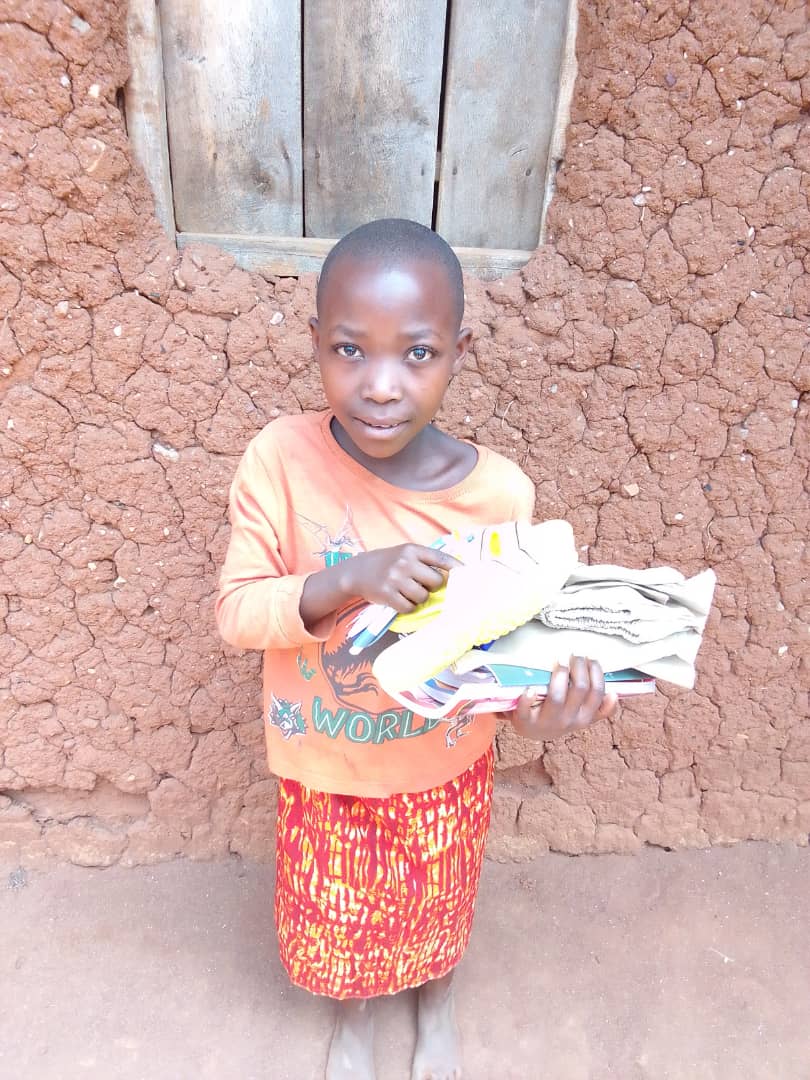
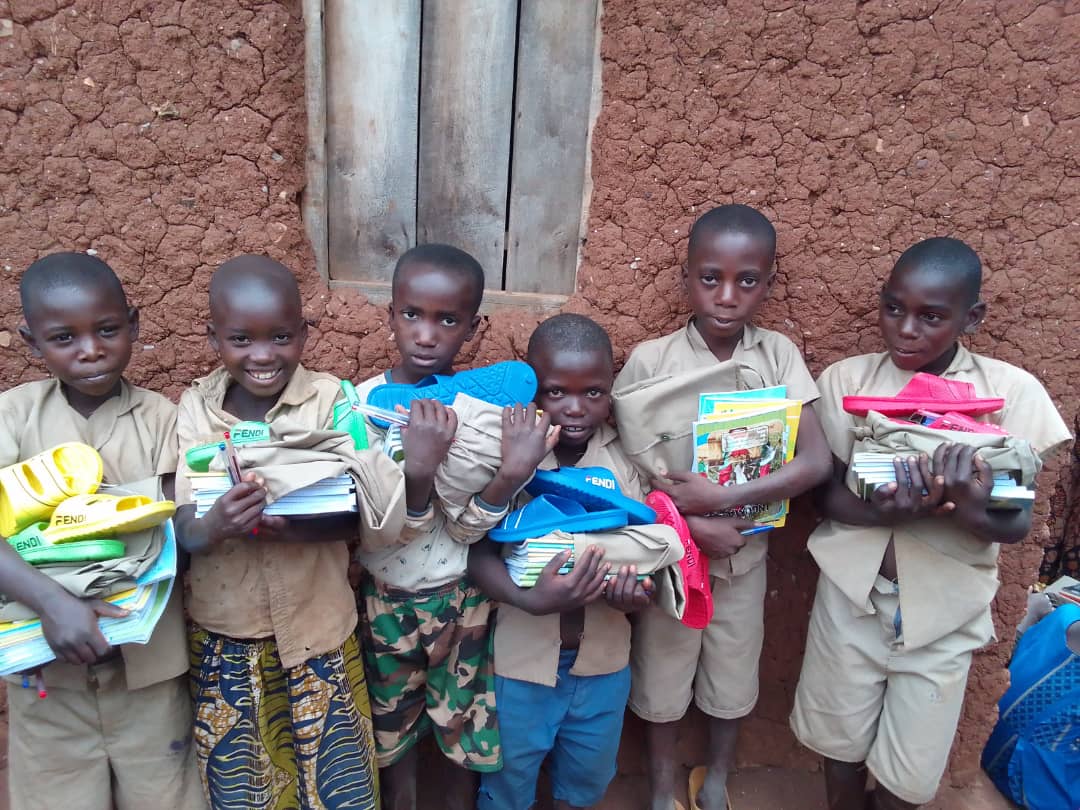
Working together, we can improve the lives of indigenous children and enable them to realize their full potential. So please join us in our effort to support Burundian indigenous children receiving a basic education! You can get involved by: making a donation, Sharing our mission and vision with your friends and family, and encouraging them to get involved too.
Girls
Boys
All supported kids
Targeted Kids
The section is here to help you get answers to most pressing questions that you might have been craving to know. Click the Plus Sign to explore more.
Burundian Indigenous is socially made up of Batwa people, a very small minority, and spread throughout the country. They are estimated at 1% of the population of Burundi, marginalized and sometimes discriminated against by the rest of society.
The Batwa feel a need for social and economic support in view of their challenging living condition that is highly triggered by a lack of cultivable land while 90% of the Burundian population lives in agriculture.
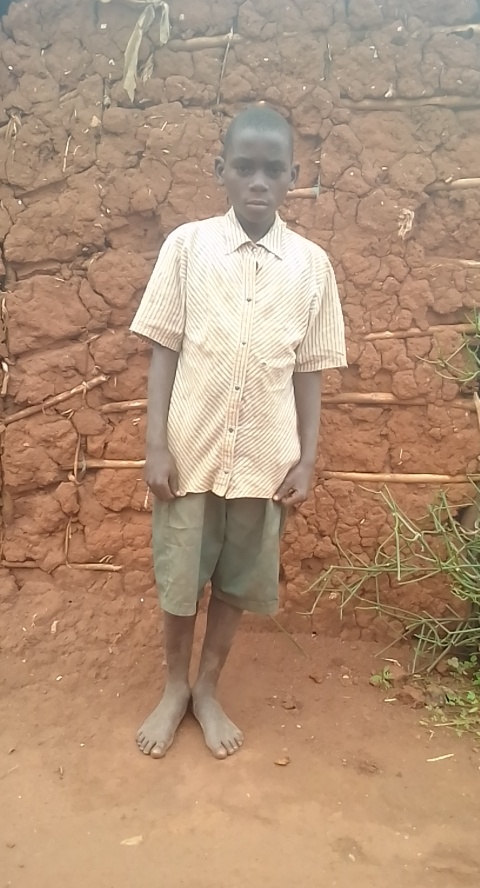
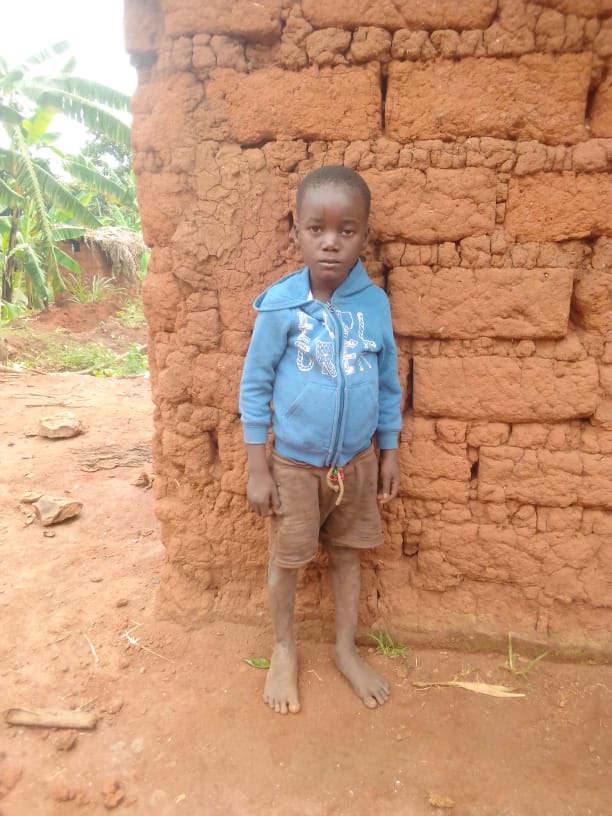
However, they also lack livestock, and decent housing, suffer from malnutrition and lack the financial means to send their children to school. The consequences of which manifest themselves in all aspects of their social life where they are often forced to live in seclusion on forests' outskirts or valleys.
Historically, the Batwa community engaged in trades such as pottery making, forging, or mat weaving to earn a living. However, these professions are no longer profitable. Despite this, most Batwa still practice such survival activities like pottery, forging, handling planks and beams, local fishing and quarry rubble, and selling firewood which allow them to have a little income that can’t even cover their basic needs. Their main activity remains the work of clay.
Be that as it may, this situation of extreme poverty is the basis of their vulnerability where the discrimination against the Batwa is evident in social gatherings such as weddings, where they are sometimes not allowed to eat or drink with other ethnic groups. This exacerbates their isolation and contributes to their poor living conditions.
The Batwa people of Burundi are among the most marginalized and economically vulnerable groups in the country. Their economic struggles are compounded by the discrimination and prejudice they face from other groups in society, which further limits their opportunities for economic advancement. Eventually, they have historically relied on forest resources for their livelihoods, but with the means of conservation and land-use changes, their access to these resources has been severely restricted.
As a result, the Batwa often live in extreme poverty, struggling to provide for themselves and their families. Despite the efforts of the Burundian government and other organizations to improve their economic situation, the Batwa continue to face significant challenges in accessing education, healthcare, and other basic services.
Despite having the legal right to participate in politics, the Batwa people in Burundi often face significant obstacles to doing so. Many lack the education and resources needed to engage effectively in political processes, and face discrimination and marginalization from other groups in society. According to the National Constitution, there are 60 % for Hutus, 40 % for Tutsis, and 0% for Batwa in the parliament and administration, and 50% for Hutus, 50% for Tutsis, and 0% for Batwa in the police and military. While efforts have been made to increase their participation through cooptation, such as quotas for marginalized groups in Parliament, implementation has been slow and limited.
Additionally, the Batwa's traditional nomadic lifestyle and cultural practices have made it difficult for them to establish a strong political presence in the country. As a result, the Batwa's voices and perspectives are often left out of important political decisions that affect their lives and communities. This lack of representation and participation in politics further marginalizes the Batwa community and perpetuates the cycle of poverty and exclusion they experience.
According to the Universal Declaration of Human Rights, education is a fundamental human right and an essential tool for empowering individuals and communities to reach their full potential. However, for the Batwa people in Burundi, accessing education remains a significant challenge. Many Batwa children are unable to attend school due to poverty, discrimination, and cultural barriers. Additionally, the lack of land for cultivation to provide food for their families results in severe poverty and hunger, making it challenging for Batwa families to prioritize their children's education.
As a result, many children drop out after completing only one or two years of primary school. The Batwa community relies on pottery and farm labor for minimal pay and food, making it difficult to achieve a decent standard of living which most of the time prevents them from sending children to school. This lack of education perpetuates the cycle of poverty and marginalization experienced by the Batwa community as a result of not having decent employment.
The Batwa indigenous people, also known as "the people of the forest", have been marginalized and discriminated against for centuries, and their voices have often been ignored. They have faced a long history of land dispossession, forced relocation, and discrimination, which has resulted in poverty, social exclusion, and loss of cultural identity.
Meanwhile, there are between 370 and 500 million Indigenous Peoples globally in over 90 international locations. Even though they make up just five percent of the global population, they account for approximately 15 percent of the intensity. Indigenous Peoples' life expectancy is up to 20 years lower than the existence expectancy of non-indigenous people globally. In Burundi, they make up only 1% of the total population.
As we strive for a fair and just society, it is our responsibility to support and advocate for the Batwa people, who have been deprived of their basic human rights for far too long. By supporting them, we can help to ensure that their voices are heard, their land rights are respected, and their cultural heritage is preserved for future generations. Let us stand in solidarity with the Batwa people and work towards a world where all people are treated with dignity and respect.